By clicking “Accept All Cookies”, you agree to the storing of cookies on your device to enhance site navigation, analyze site usage, and assist in our marketing efforts. View our Privacy Policy for more information.
The Power of Whole Foods: A Path to Optimal Health, Wellness & Performance
Nutrition sits at the foundation of the theoretical hierarchy of development for a reason!
By
December 31, 2025
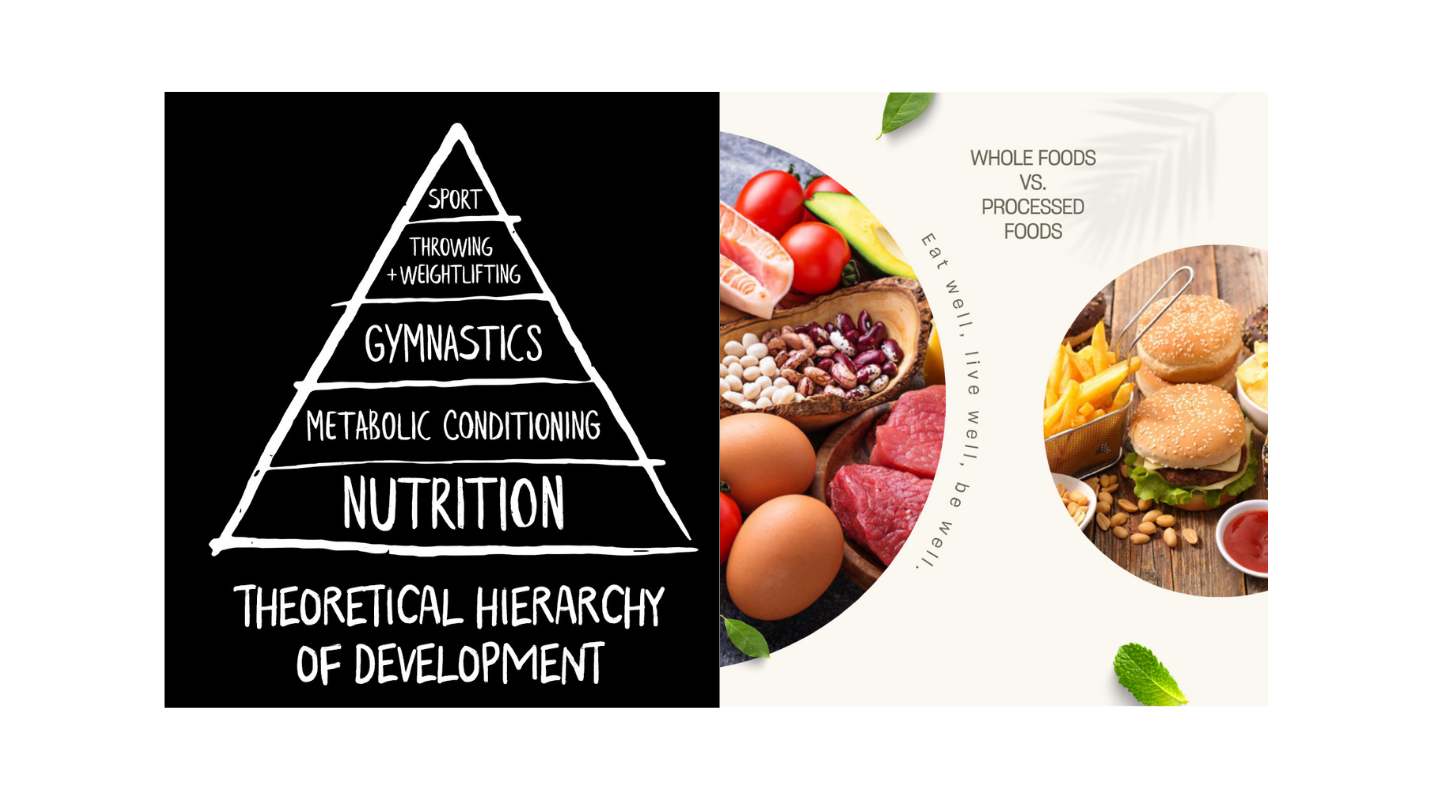

Without good nutrition, all the hard work you put in on the gym floor at Furnace Fitness becomes much harder to convert into results—whether your goal is improved body composition, increased strength, better performance, or long-term health.
Yes, it’s January. Motivation is high, and the temptation to go all-in is real. But before you start counting calories, tracking every macro or jumping on the latest diet fad, I want you to focus on just one thing:
Eat real food.
There is no quick fix when using diet and exercise. Instead of drastic changes that burn out fast, the goal is to make small, meaningful adjustments that you can sustain long term—habits that support your training, recovery, and overall health for years to come.
In our relentless pursuit of optimal health and performance, one principle remains unwavering: whole foods outperform processed foods every single time1. But why is that? In this blog, we will break down the reasons behind this nutritional truth and explore how prioritising whole foods can help you feel better, train harder, and perform at your best.
Whole Foods vs. Processed Foods
First, let's clarify what we mean by "whole foods" and "processed foods."
Whole Foods: These are exactly what they sound like – foods that exist in their natural, unaltered state. Think of fresh vegetables, fruits, whole grains, nuts, seeds and protein rich foods low in saturated fat ideal for building muscle (i.e poultry, fish, eggs, low fat dairy) . These foods have not been stripped of their natural nutrients and haven't been laden with artificial additives or preservatives.
Processed Foods: On the contrary, processed foods have undergone a significant transformation in the manufacturing process which can often strip out a lot of the nutrients. They contain added sugars, excess salt, unhealthy fats and a laundry list of artificial ingredients2. While they may be convenient and appealing to the taste buds, they often fall short in providing the nourishment our bodies truly need. Now, let's delve into why whole foods should be the cornerstone of your nutrition plan:
1. Nutrient Density
Whole foods are brimming with essential nutrients. They provide vitamins, minerals, antioxidants and fibre in their natural forms. These nutrients are vital for maintaining overall health, supporting your immune system, and preventing chronic diseases1. When you consume whole foods, you're giving your body the complete package of nutrients it craves.
2. Sustained Energy
Unlike processed foods that can cause rapid spikes and crashes in blood sugar levels, whereas whole foods provide sustained energy throughout the day. Complex carbohydrates, found in whole grains, fruits and vegetables, release energy gradually, helping you stay focused and alert without the rollercoaster of sugar crashes3.
3. Weight Management
Whole foods are typically lower in calories and higher in fibre than their processed counterparts. Fibre keeps you feeling full and satisfied, reducing the temptation to overeat. Plus, whole foods are often less calorie-dense, making it easier to maintain a healthy weight3.
4. Improved Digestion
The fibre in whole foods promotes healthy digestion by preventing constipation and promoting regular bowel movements. A well-functioning digestive system is crucial for nutrient absorption and overall well-being.
5. Better Heart Health
Whole foods, especially those rich in omega-3 fatty acids (like fatty fish and flaxseeds), can help reduce the risk of heart disease. They support healthy cholesterol levels, lower blood pressure and reduce inflammation, all of which contribute to cardiovascular health.
6. Enhanced Immunity
Whole foods contain immune-boosting vitamins and minerals like vitamin C, vitamin D and zinc. These nutrients strengthen your body's defences against infections and illnesses.
7. Reduced Risk of Chronic Diseases
A diet rich in whole foods has been linked to a reduced risk of chronic diseases such as diabetes, cancer, and hypertension. The antioxidants and phytochemicals in whole foods play a crucial role in this protective effect. These are abundant in colorful plant-based foods and protect cells from damage, reduce inflammation, and support overall health, so eating a wide variety of these colorful foods is key for getting a broad spectrum of these beneficial plant compounds.
8. Skin Health
Your skin reflects your internal health, and a diet based on whole foods can contribute to a radiant complexion because they provide essential antioxidants, vitamins, healthy fats, and protein needed for skin repair, hydration, and collagen production, while processed foods often contain sugars and refined ingredients that cause inflammation and accelerate aging. Nutrient-rich foods nourish your skin from the inside out, promoting a healthy, youthful appearance4.
9. Performance
Eating whole foods improves your training sessions because they provide your body with the nutrients it actually needs to perform. Whole foods deliver steady energy, support muscle repair, reduce inflammation, and help regulate blood sugar—meaning fewer crashes mid-session and better focus throughout your workout. When your body is properly fuelled, you recover faster, lift with more intent, and can consistently train at a higher intensity. Simply put, better food leads to better sessions, and better sessions lead to better results.
In conclusion, the choice between whole foods and processed foods is a choice between nurturing your body and merely satisfying your taste buds. While processed foods may offer immediate gratification, whole foods provide the lasting benefits your body deserves. Embracing a diet centred on whole foods can be a transformative step on your journey to optimal health and wellness. So, why wait? Start making mindful choices today and experience the remarkable difference that whole foods can make in your life. Your body will thank you for it.
Your Next Step
If you’re a Furnace Fitness member, remember this: nutrition could be the missing piece that takes your training to the next level. You’re already showing up and putting in the work—now make sure your food is supporting your strength, performance, recovery, and health. If you’re unsure where to start or want some personalised guidance, speak to one of the coaches. We’re here to help you make simple, sustainable changes that actually work. Watch out for some of our coaches favourite recipes coming soon!
If you’re not currently a member, and you’re tired of guessing your way through nutrition and training, we’d love to support you. At Furnace Fitness, you’re not doing this alone. You’ll get expert coaching, a clear plan, and a supportive community that keeps you accountable and consistent.
Get in touch with us to find out how we can help you build better habits, train with purpose, and achieve lasting results.
Next up in our Nutrition Series: Understanding Refined Sugars and Their Impact follow us to get this content.